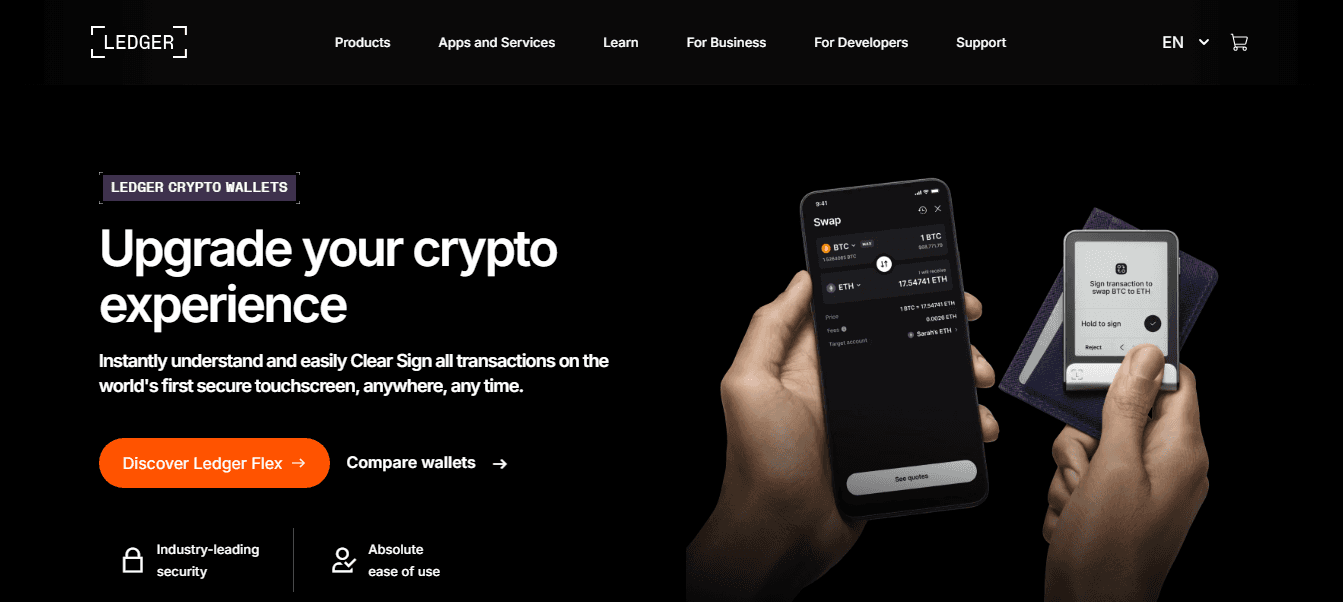
Ledger Live: A Complete 1200-Word Overview
Ledger Live is a software application designed to help people manage their digital assets, such as cryptocurrencies and tokens, in a secure and organized way. It works hand-in-hand with Ledger hardware wallets, which are physical devices created to keep private keys offline and protected. While Ledger devices focus on security, Ledger Live handles the everyday tasks—monitoring balances, checking market movements, organizing different accounts, and making it easier to view everything in one place.
What Ledger Live Is Designed For
Ledger Live serves as a central dashboard. Instead of juggling multiple apps or websites, it puts everything—accounts, balances, portfolios, and supported crypto networks—into one clean interface. People often like it because it combines ease of use with strong protection. Since private keys stay stored on the hardware wallet, Ledger Live never exposes them. It acts more like a communication bridge, letting users confirm actions on the hardware device before anything important happens.
Because of this design, even if someone’s computer were to be compromised, the actual private keys wouldn’t be exposed. This layering of software convenience and hardware security is one of the reasons Ledger Live has become popular.
Interface and User Experience
The interface of Ledger Live is meant to be simple. When someone opens it, they typically see a dashboard showing their overall portfolio value, the percentage change over time, and shortcuts to important features. Navigation is usually divided into areas like Portfolio, Accounts, Discover, and Manager. This structure helps people get used to the app without feeling overwhelmed.
The Portfolio tab gives a complete overview of assets. Users can view charts, track their total balance, and study how their holdings have changed over time. The Accounts tab breaks down each individual asset or network. For example, a person who has different crypto networks added—like Bitcoin, Ethereum, or other supported assets—can manage each one separately.
Ledger Live also includes a Discover section. This is where different apps or services can be integrated. For example, some platforms allow viewing decentralized applications, checking market insights, or exploring network information. It adds another layer of convenience by letting people access tools within the same app instead of switching between multiple websites.
Device Management
Since Ledger Live works closely with hardware wallets, one of its major features is the Manager section. This is where someone can install, update, or remove apps on the hardware device. Each cryptocurrency network usually requires a specific app installed on the device. For example, Bitcoin has its own app, Ethereum has its own, and so on.
Ledger Live makes managing these apps easier. It checks firmware updates, shows available storage, and guides users through the update process. Updates are important for improving compatibility, security, and functionality.
Supported Assets and Networks
One of Ledger Live’s strengths is the wide range of networks it supports. From major cryptocurrencies to many smaller tokens, the app is built to handle thousands of assets. For Ethereum-based tokens, Ledger Live can read balances automatically once the Ethereum account is added. Other networks like Bitcoin, Solana, and Polygon each have their own systems, and Ledger Live provides different functionalities depending on the network.
Some networks allow full transaction management directly within Ledger Live, while others might require connecting to third-party tools. Even so, Ledger Live still acts as the control center for device authorization.
Security Philosophy
Security is at the heart of Ledger’s design. Ledger Live does not store private keys, passwords, or seed phrases. These remain exclusively on the hardware wallet. Ledger Live is more like a viewer and controller. For every transaction, the hardware wallet asks for confirmation, ensuring the user physically verifies what they want to do.
This physical confirmation step is crucial. Even if someone accidentally interacts with a suspicious website or malicious software, the hardware device blocks unauthorized actions. Without pressing the button on the device itself, no transaction can be sent. This layered design is what separates Ledger products from software-only wallets.
Ledger Live also has optional features like password locks and advanced privacy settings. These help protect the local device from snooping or unauthorized access.
Portfolio Tracking and Market Awareness
Users often appreciate Ledger Live for its built-in tracking tools. Instead of checking multiple market apps, Ledger Live brings everything together—portfolio value, individual asset performance, and changes over time. Some versions also display news, network updates, and price charts.
Portfolio tracking is not only helpful for understanding growth but also for keeping everything organized. With many networks growing and new token standards emerging, having all balances in one place reduces confusion.
The market awareness features make Ledger Live feel like more than just a storage app. It becomes a full management platform. However, since markets fluctuate and prices can change quickly, it’s important for young users to treat all information cautiously and remember that digital assets come with financial risks.
Customization and Settings
Ledger Live includes a set of customization options. Users can switch between light and dark themes, manage notifications, adjust privacy behaviors, and decide how much information appears on the dashboard. Some people prefer minimal displays, while others want detailed analytics.
There is also an option to connect multiple Ledger devices. Someone might use one device for general assets and another for long-term storage. Ledger Live can support both simultaneously, letting the user switch between them as needed.
Advanced Features
Over time, Ledger Live has added optional advanced tools. While they vary depending on region and updates, some examples include:
Viewing blockchain fees before sending transactions
Exploring staking options for supported networks
Seeing network status indicators
Checking address derivations or expert settings
These features are often helpful for advanced users, but they remain optional so beginners do not feel overwhelmed.
Regular Updates
Ledger Live receives regular updates to improve security, performance, and compatibility with new networks. Digital assets change quickly, and new technologies appear often, so updates help ensure the app stays current. Updates might include new features, device improvements, interface enhancements, or bug fixes.
Because Ledger Live is trusted by many people around the world, the development team focuses heavily on ensuring reliability. Each update is designed to improve the experience without compromising safety.
Why People Use Ledger Live
People choose Ledger Live for different reasons. Some like its simple layout. Others appreciate its security structure. Many enjoy having all account information in one place, rather than switching among multiple apps.
Another major benefit is control. Many online platforms store private keys on remote servers, but Ledger’s model keeps the keys offline. Ledger Live simply provides the interface, which gives users confidence that they remain in charge of their assets.
Conclusion
Ledger Live is essentially a powerful, organized, and security-focused hub for interacting with digital assets. It combines the convenience of modern software with the protection of hardware wallets. With features like device management, account tracking, portfolio analysis, customization tools, and broad asset support, Ledger Live has become a widely used application for people who want to keep their digital assets secure and easy to manage.